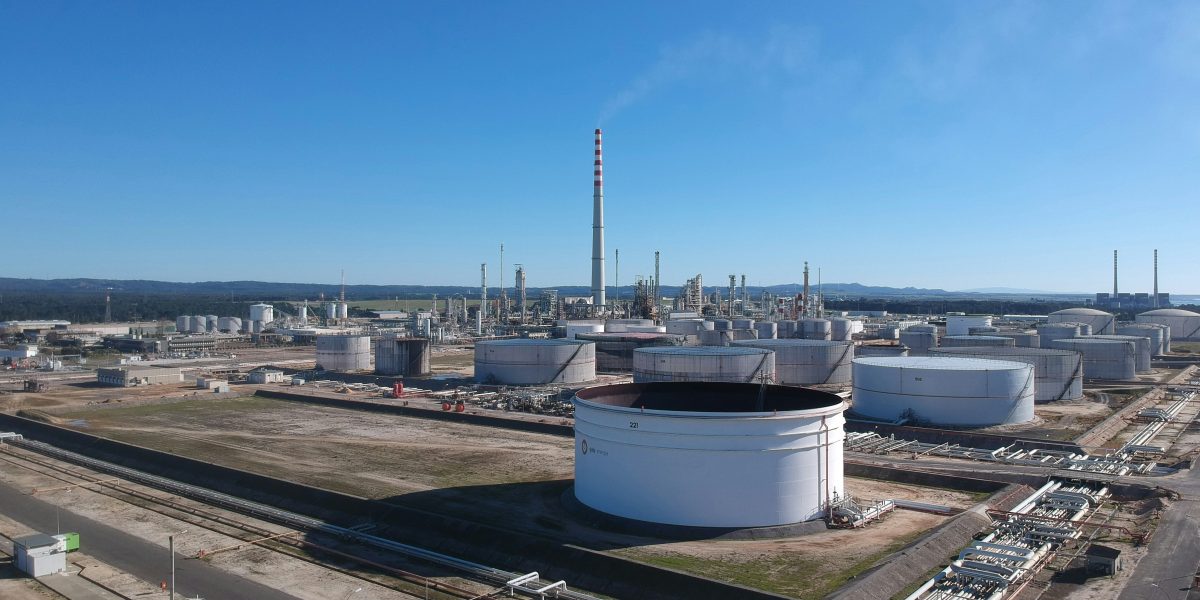
The ICTQual AB Level 6 International Diploma in LNG (Liquefied Natural Gas) Technology is a comprehensive three-year programme designed to equip learners with advanced knowledge, practical skills, and professional expertise in LNG processing, transportation, and storage. Spanning 360 credits, this internationally recognised qualification provides a structured learning pathway for both freshers entering the energy sector and experienced professionals seeking to enhance their technical proficiency and career progression.
Learners will gain in-depth understanding of natural gas liquefaction, LNG plant operations, cryogenic technology, pipeline transportation, and storage systems. The curriculum combines theoretical instruction with practical applications, laboratory exercises, and simulation-based training to ensure learners develop the critical skills needed to operate and manage LNG facilities safely and efficiently.
This LNG (Liquefied Natural Gas) Technology programme offers significant professional value by preparing learners for key roles in LNG production, terminal management, process engineering, operations supervision, and energy project consultancy. With global demand for skilled LNG professionals rising, learners acquire a qualification that strengthens employability, positions them for leadership roles, and enables them to contribute effectively to the growing liquefied natural gas industry.
Key benefits of the course include developing expertise in process optimisation, safety management, cryogenic systems, environmental compliance, and energy efficiency, alongside mastering industry-standard operational tools. The learner-focused design ensures flexibility, allowing individuals to balance practical training, assignments, and project work while gaining hands-on experience.
Upon completion of the ICTQual AB Level 6 International Diploma in LNG Technology, learners will possess the technical competence, strategic insight, and professional skills required to excel in LNG operations, drive innovation in the liquefied natural gas sector, and take on advanced operational or managerial roles in international energy markets.
Entry Requirements
To enrol in ICTQual AB Level 6 International Diploma in LNG (Liquefied Natural Gas) Technology, learner must meet the following entry requirements:
- Age Requirement: Learners must be at least 18 years old at the time of registration.
- Educational Background:A Level 5 qualification or equivalent in chemical engineering, petroleum engineering, process engineering, energy technology, or related fields is recommended.Learners with a Level 4 qualification combined with relevant industry experience may also be considered.
- Professional Experience: While freshers can enrol, learners with 1–3 years of experience in LNG operations, natural gas processing, or the energy sector are particularly well-positioned to benefit from practical components of the programme.
- English Proficiency: Since the programme is delivered in English, learners must demonstrate proficiency in English through an internationally recognised qualification (e.g., IELTS 6.0 or equivalent) or evidence of prior study/work in an English-speaking environment.
- Additional Requirement: Learners should have access to a computer and reliable internet connection for online learning, research, and assignments.
Study Units
This qualification, the ICTQual AB Level 6 International Diploma in LNG (Liquefied Natural Gas) Technology, consists of 36 mandatory units.
Year 1 – Foundation in LNG Technology
- Principles of Chemical and Process Engineering
- Introduction to Liquefied Natural Gas (LNG)
- Natural Gas Properties and Analysis
- LNG Production Processes Overview
- Cryogenic Principles and Applications
- Heat and Mass Transfer in LNG Systems
- Introduction to LNG Plant Equipment and Technology
- Process Instrumentation and Control Basics
- Health, Safety, and Environmental Awareness
- Industrial Laboratory Techniques
- Technical Report Writing
- Introduction to LNG Simulation Software
Year 2 – Intermediate LNG Technology
- Advanced LNG Liquefaction Processes
- Gas Pretreatment and Sweetening Techniques
- Refrigeration Cycles and Cryogenic Operations
- Process Control and Automation in LNG Plants
- Energy Management and Efficiency in LNG Operations
- LNG Storage and Tank Design
- Process Safety Management and Hazard Analysis
- LNG Transportation and Pipeline Technology
- Quality Control and Assurance in LNG Production
- Environmental Management and Sustainability
- LNG Blending and Product Optimisation
- Data Analysis and Technical Communication
Year 3 – Advanced LNG Technology
- Advanced LNG Plant Optimisation and Troubleshooting
- LNG Project Management and Planning
- Advanced Cryogenic Engineering and Heat Exchangers
- LNG Process Simulation and Modelling
- Corrosion, Maintenance, and Reliability in LNG Systems
- Energy Transition and Cleaner LNG Technologies
- Risk Assessment and Emergency Response
- Advanced Laboratory Techniques and Process Testing
- Supply Chain and Logistics in LNG Operations
- Capstone Project in LNG Technology
- Professional Development and Leadership in Energy
- Strategic Decision-Making in LNG Plant Management
Future Progression
Completing the ICTQual AB Level 6 International Diploma in LNG Technology equips learners with advanced technical expertise, operational skills, and strategic insight, positioning them for career growth in the global LNG and energy sector. This programme supports both freshers entering the industry and experienced professionals seeking to advance their roles.
Career Opportunities
Learners can progress into specialised technical and operational roles, including:
- LNG Plant Operator – Managing day-to-day operations in liquefied natural gas facilities.
- Process Engineer – Optimising liquefaction, cryogenic, and transportation processes.
- Production Supervisor – Overseeing operational teams and ensuring process efficiency.
- Quality Control Specialist – Ensuring LNG products meet technical specifications.
- Energy Analyst – Evaluating performance data, process efficiency, and safety metrics.
Advanced Professional Roles
With in-depth knowledge of LNG technology, learners can pursue:
- Project Management Roles – Planning and executing LNG projects from concept to commissioning.
- Technical Consultancy – Providing expert guidance on LNG plant operations, safety, and process optimisation.
- Operational Management – Supervising plant units, teams, and operational workflows in LNG facilities.
Industry Specialisation and Credentials
The programme prepares learners to enhance their professional standing through:
- Professional Certifications – In LNG operations, cryogenic technology, and process safety management.
- Industry Memberships – Boosting credibility and recognition within the LNG and energy sectors.
- Specialised Training – Advanced programmes covering safety compliance, energy efficiency, and sustainable LNG practices.
Strategic and Leadership Skills
Learners develop:
- Analytical and Decision-Making Abilities – Optimising processes and managing operational challenges.
- Leadership and Teamwork Skills – Leading multidisciplinary teams effectively.
- Sustainability and Innovation Awareness – Implementing cleaner, energy-efficient technologies in LNG operations.
Long-Term Career Growth
- Enhanced employability in global LNG and energy industries.
- Opportunities to progress into senior operational, technical, or management roles.
- Preparedness for continuous professional development, strategic leadership, and evolving industry challenges.
Centre Requirements
To deliver the ICTQual AB Level 6 International Diploma in LNG Technology, centres must comply with specific academic, operational, and quality assurance standards. These requirements ensure that learners receive high-quality training, practical experience, and assessment aligned with international best practices.
1. Accreditation and Approval
- Centres must hold valid approval from ICTQual AB to deliver this Level 6 qualification.
- Approval ensures adherence to rigorous quality standards, including governance, staff competence, and curriculum delivery.
- Centres must maintain records and comply with regular audits and monitoring by ICTQual AB.
2. Academic and Staffing Requirements
- Centres must employ qualified instructors and assessors with expertise in LNG operations, chemical engineering, process engineering, or related fields.
- Staff should possess relevant industry experience and professional qualifications.
- Continuous professional development is required to ensure staff stay current with technical and industry advancements.
3. Learning and Teaching Resources
- Centres must provide access to modern laboratories, process simulation software, and technical learning materials.
- Classrooms or online platforms should support interactive learning, practical exercises, and LNG simulations.
- Learners should have access to industry-standard tools and equipment for hands-on training.
4. Assessment and Quality Assurance
- Centres must implement a robust assessment strategy, including assignments, projects, practical tests, and examinations.
- Internal quality assurance processes must ensure fair, valid, and reliable assessments.
- Centres should maintain comprehensive records of learner progress, assessment outcomes, and feedback for auditing and improvement.
5. Health, Safety, and Accessibility
- Centres must provide a safe and accessible learning environment in compliance with local health and safety regulations.
- Facilities and online platforms should be inclusive for learners with diverse needs.
- Emergency procedures, risk assessments, and safety policies must be clearly documented and communicated.
6. Administrative and Operational Requirements
- Centres must have efficient learner registration, enrolment, and data management systems.
- Policies should cover complaints, appeals, and academic integrity.
- Centres must ensure timely communication with ICTQual AB regarding enrolments, assessments, and quality monitoring.
7. Technology and Online Delivery
- For blended or online delivery, centres must provide secure digital platforms for learning, assignments, and assessments.
- Staff should be trained to facilitate online learning, monitor learner engagement, and provide technical support.
Contact for Registration
Phone: +92 312 5077348
info@tajinstitute.com.pk