
ICTQual AB Level 6 International Diploma in Radiology & Imaging Technology
The ICTQual AB Level 6 International Diploma in Radiology & Imaging Technology is a comprehensive three-year programme, delivering 360 credits designed for experienced healthcare professionals seeking to enhance their expertise in diagnostic imaging and radiological sciences. This qualification equips learners with advanced knowledge, practical skills, and professional competencies required to excel in radiology departments, imaging centres, and healthcare facilities worldwide.
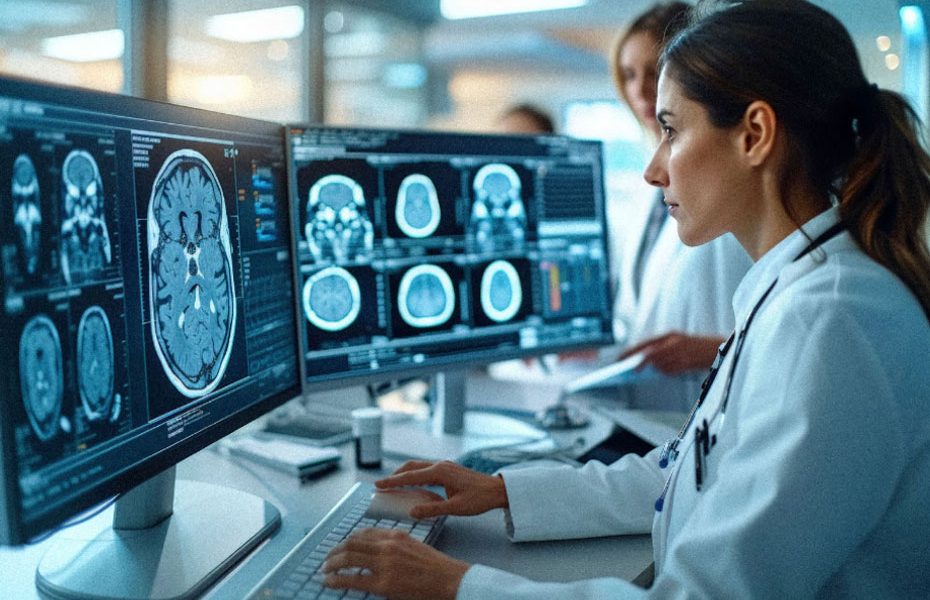
Throughout the programme, learners explore the principles of medical imaging, radiographic techniques, patient safety, and advanced imaging modalities, including MRI, CT, and ultrasound. The curriculum integrates theoretical foundations with practical application, ensuring learners gain proficiency in operating imaging equipment, interpreting diagnostic results, and contributing to accurate clinical assessments. Emphasis on health and safety, ethical practice, and professional conduct ensures learners are prepared for the complex demands of modern healthcare environments.
This diploma addresses the growing industry demand for skilled radiology and imaging professionals, offering learners the opportunity to develop specialised knowledge in imaging technology, radiation protection, and diagnostic evaluation. Practical placements and hands-on training foster real-world experience, enhancing competence and confidence in clinical settings.
Designed for professionals who wish to advance their career prospects, expand their knowledge, and increase their Continuing Professional Development (CPD), this programme prepares learners to take on specialised roles in radiology departments, diagnostic imaging centres, and healthcare research environments. By completing this qualification, learners gain the expertise to contribute effectively to patient care, clinical decision-making, and the advancement of imaging practices within healthcare organisations.
Entry Requirements
To enrol in ICTQual AB Level 6 International Diploma in Radiology & Imaging Technology must meet the following entry requirements:
Future Progression
The Level 6 International Diploma in Radiology & Imaging Technology equips learners with advanced knowledge, practical skills, and professional competencies, opening pathways to a variety of specialised roles in the healthcare and diagnostic imaging sector. By completing this programme, learners are prepared to take on positions that require expertise in radiology, imaging technology, patient care, and departmental leadership. The qualification also supports continued professional development and career advancement in the healthcare industry.
Specialised Radiology and Imaging Roles
- Diagnostic Imaging Technician: Operate and manage radiography, CT, MRI, and ultrasound equipment, producing accurate diagnostic images for clinical evaluation.
- Radiology Practitioner in Clinical Departments: Participate in patient assessment, imaging procedures, and interpretation of results to support clinical teams.
- Interventional Radiology Assistant: Support minimally invasive imaging-guided procedures, ensuring patient safety and operational efficiency.
Healthcare and Clinical Practice Opportunities
- Imaging Department Coordinator: Oversee day-to-day operations in diagnostic imaging departments, ensuring compliance with safety, quality, and regulatory standards.
- Patient Care Specialist in Imaging: Focus on delivering patient-centred care before, during, and after imaging procedures, with an emphasis on safety and comfort.
- Clinical Radiology Support Officer: Collaborate with radiologists and multidisciplinary teams to facilitate workflow, maintain equipment, and ensure accurate record-keeping.
Research, Innovation, and Professional Development
- Clinical Research Assistant in Radiology: Participate in imaging-based research projects, clinical trials, and applied studies, contributing to evidence-based practice.
- Quality Improvement and Risk Management Specialist: Lead initiatives for process enhancement, safety protocols, and quality control in imaging departments.
- Continuous Professional Development (CPD): Leverage the programme to enhance knowledge, acquire advanced imaging techniques, and stay up-to-date with emerging trends and technologies in radiology.
By completing this diploma, learners gain the practical experience, technical expertise, and professional insight necessary to advance within diagnostic imaging environments, healthcare organisations, and specialised clinical settings. The qualification also lays a strong foundation for leadership roles, departmental responsibilities, and research-driven projects within the radiology and medical imaging sector.